Personal injury lead qualification can happen automatically before your team ever picks up the phone. Picture this. It’s 10:30 PM. A guy sitting in an ER waiting room pulls out his phone. He was hit by a delivery truck two hours ago. His neck hurts. He’s worried about medical bills. He Googles “personal injury attorney near me.”
He lands on your website. There’s a chat widget in the corner. He types: “I was just in an accident, do you handle these cases?”
At most law firms, that chat either goes unanswered until morning or triggers a ca
ed response like “Thanks for reaching out! Someone will contact you during business hours.”
By morning, he’s already hired someone else.
But what if the chat actually talked to him? What if it asked him what happened, when it happened, whether he went to the hospital, and whether the other driver was insured? What if it told him your firm handles exactly this type of case, and booked him a consultation for 9 AM?
That’s not hypothetical. That’s what AI webchat and SMS technology can do right now for law firms.
Why Pre-Qualification Matters More Than You Think

According to the Clio Legal Trends Report, if you run a personal injury practice, you know that not every lead is a case. Some people had fender benders with no injuries. Some are calling about incidents from three years ago. Some want free legal advice with no intention of hiring anyone.
Your attorneys and paralegals spend hours every week on intake calls that go nowhere. A 20-minute call with someone who doesn’t have a viable case is 20 minutes you’ll never get back.
Pre-qualification is the filter. It separates the cases worth pursuing from the ones that aren’t. And traditionally, it requires a human to sit on the phone and ask the right questions.
The problem is that your humans are busy. They’re working cases. They’re in depositions. They’re at lunch. They’re asleep. And the leads don’t stop coming just because your team clocks out.
This is a critical aspect of personal injury lead qualification.
How AI SMS Pre-Qualification Works
Here’s the workflow. A potential client fills out a form on your website, or they text your business number directly. Within seconds, the AI sends them a text message.
Not a generic “thanks for contacting us” message. A real conversation starter. Something like: “Hi, this is the intake team at [Your Firm Name]. I’d love to help. Can you tell me a bit about what happened?”
The person responds. The AI reads their message and asks relevant follow-up questions. For a personal injury case, it might ask:
When did the accident happen? Were you injured? Did you receive medical treatment? Was a police report filed? Have you spoken with the other driver’s insurance company? Have you consulted with another attorney?
Each answer feeds into the qualification. If the lead checks the right boxes, the AI offers to book a consultation. It sends a calendar link or proposes available times. The lead picks a slot. Done.
If the lead doesn’t qualify, the AI lets them know politely and can suggest alternative resources. No attorney time wasted. No awkward phone calls. No ghosting.
The whole conversation happens over text, which is exactly how most people prefer to communicate in 2026. Especially younger clients. Especially people who are at work and can’t take a phone call.
Effective personal injury lead qualification can prevent this entirely.
How AI Webchat Pre-Qualification Works
The ABA Legal Technology Survey, the webchat version is similar, but it meets the lead where they already are: on your website.
When someone visits your site and opens the chat, the AI greets them and asks how it can help. Based on the visitor’s response, it routes the conversation toward the right practice area.
Someone says “I was in a car accident.” The AI knows to ask personal injury intake questions. Someone says “My landlord is trying to evict me.” The AI knows that’s a different practice area and asks different questions.
The chat can handle multiple conversations simultaneously. During peak hours or after a successful ad campaign, you might have 5, 10, even 20 people chatting at once. A human can handle one or two at a time. The AI handles all of them without delay.
Every conversation is logged. Every detail is captured. The qualified leads get booked into your calendar and your team gets a summary of the case details before the consultation even starts.
That’s the real impact of poor personal injury lead qualification.
The Follow-Up Problem (And How AI Solves It)
Here’s where it gets interesting. Not everyone books right away. Some leads need time. They’re still deciding. They’re comparing firms. They’re waiting to see how their injuries develop.
With a human team, those leads tend to fall through the cracks. Your paralegal means to follow up but gets busy. The note gets lost. The lead forgets your name.
AI doesn’t forget. If a lead has a conversation but doesn’t book, the AI follows up the next day with a text. Something natural and low-pressure: “Hey, just checking in. I know things can feel overwhelming after an accident. We’re here if you want to talk through your options. No pressure.”
If they still don’t respond, the AI follows up again in a few days. And then once more after a week.
Industry data on lead follow-up suggests that roughly 1 in 5 leads who don’t initially convert will book after proper follow-up. For a PI firm, each of those conversions could be worth $5,000 to $50,000 in fees.
Most firms leave that money on the table simply because follow-up is tedious and easy to forget.
Proof From The Field
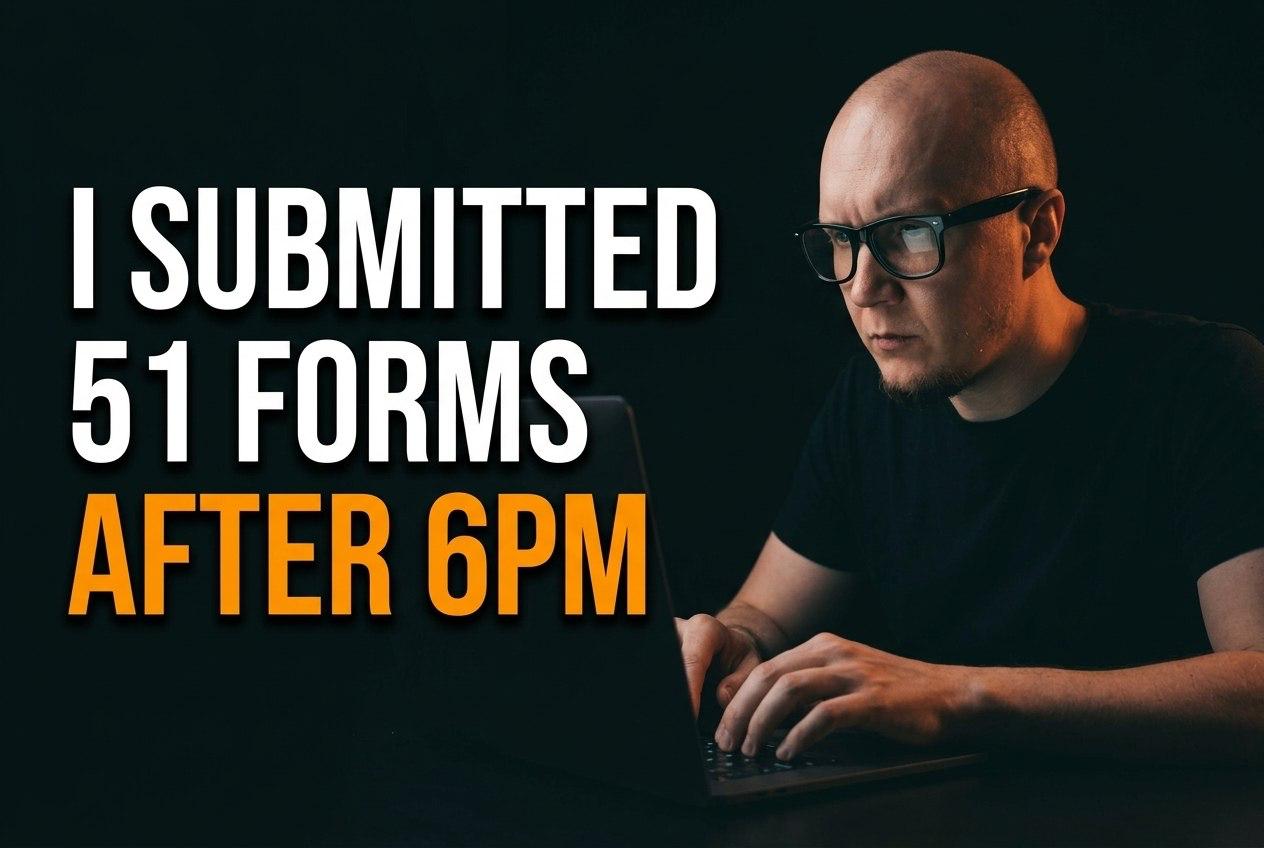
Real test: 92% of law firms never called back
We submitted forms to 51 PI firms after 6 PM. See who responded and who lost the lead.
Revenue Leak
Calculate What You're Losing
Missed calls = missed revenue. Run the math right here.
Estimated annual revenue lost
$7,500,000
6 missed calls/day × $5,000 avg case × 250 work days
Plans from $249/mo. 30-day free trial. No setup fee.
Smart personal injury lead qualification solves this problem.
What This Looks Like in Practice
At 2bizy, setup takes about 48 to 72 hours. The process is straightforward.
First, we get on a call with you (usually 15 to 20 minutes) and learn your practice areas, your ideal client profile, and your intake questions. We want to know what makes a good case for your firm, because every firm is different. A solo PI attorney in Miami has different criteria than a 10-person family law firm in Denver.
Then we configure the AI to match your process. The qualifying questions, the tone of the messages, the booking workflow, the follow-up cadence. Everything is tailored to how you actually run your practice.
We’re not selling you a generic chatbot. We’re building an intake system that reflects how you work. Because the goal isn’t to replace your team. It’s to make sure every lead gets the attention they deserve, even when your team is handling other things.
This is where personal injury lead qualification makes the biggest difference.
The Industry Numbers
Here’s what the data says about SMS and chat as communication cha
els.
SMS open rates are above 90%. Compare that to email, where law firm marketing emails average around 20 to 25% open rates at best.
According to various legal marketing studies, website chat converts visitors to leads at 5 to 10x the rate of standard contact forms. A contact form might convert 2 to 3% of visitors. A well-configured chat can convert 15% or more.
Speed to lead research consistently shows that responding within 5 minutes makes you dramatically more likely to win the client than responding within 30 minutes. AI responds in seconds.
Better personal injury lead qualification changes this equation completely.
Who This Is For
As Harvard Business Review explains, if your firm gets more than 10 new inquiries per month and you’re losing leads to slow response times, missed follow-ups, or after-hours gaps, this is worth exploring.
If you’re spending money on Google Ads or SEO and frustrated that your cost per acquisition feels too high, this might be the missing piece. The leads are already coming in. The question is whether you’re capturing them.
You took the risk of starting a practice. You invested in marketing. You built something. The last thing you need is a leaky intake process undermining all of it.
The data on personal injury lead qualification confirms this pattern.
See It in Action
Visit 2bizy.com and try the webchat on our site. That’s the type of AI we’ve built for law firms. Talk to it. Test it. See how it handles your questions.
Or call (213) 771-9777 and talk to Morgan, our AI phone receptionist. She’ll show you what the phone side sounds like.
We offer a 30-day free trial. We set everything up. You only pay after 10 or more bookings. No contracts, no setup fees. If it doesn’t work, you’ve lost nothing. If it does, you’ve found a system that works while you sleep.